Business Name: BeeHive Homes of Santa Fe NM
Address: 3838 Thomas Rd, Santa Fe, NM 87507
Phone: (505) 591-7021
BeeHive Homes of Santa Fe NM
BeeHive Homes of Santa Fe NM is a premier Santa Fe Assisted Living facilities and the perfect transition from an independent living facility or environment. Our Alzheimer care in Santa Fe, NM is designed to be smaller to create a more intimate atmosphere and to provide a family feel while our residents experience exceptional quality care. We promote memory care assisted living with caregivers who are here to help. Memory care assisted living is one of the most specialized types of senior living facilities you'll find. Dementia care assisted living in Santa Fe NM offers catered memory care services, attention and medication management, often in a secure dementia assisted living in Santa Fe or nursing home setting.
3838 Thomas Rd, Santa Fe, NM 87507
Business Hours
Monday thru Sunday: 9:00am to 5:00pm
Facebook: https://www.facebook.com/BeeHiveSantaFe Fe/
YouTube: https://www.youtube.com/@WelcomeHomeBeeHiveHomes
Caring for an aging moms and dad or partner asks a lot of ordinary people. Schedules tilt, sleep diminishes, and a new sort of vigilance sets in. It can be exceptionally significant, and it can likewise be tiring. Respite care exists to make the day-to-day sustainable. It uses short-term support for senior citizens and provides household caregivers time to rest, deal with responsibilities, or simply breathe without concern. When it works well, no one feels like they have stopped working. Both the care recipient and the caregiver gain stability.
I have actually sat with households across the spectrum, from early preparation to crisis moments where a caretaker reaches the edge. The most effective arrangements share two qualities: clear intent and reasonable limits. Respite care is not a favor or a last option. It is a tool, and like any tool, it helps most when chosen thoroughly and used early enough to avoid damage.
What respite care covers
Respite care describes momentary support for an older grownup who requires support with daily life, guidance due to cognitive changes, or skilled oversight after a health problem or surgical treatment. It can happen at home, in an assisted living community, or inside a memory care community developed for those with dementia. The stay might last a single afternoon or a number of weeks, depending upon goals and eligibility.
At its core, respite is both useful and relational. The practical side includes aid with bathing, grooming, dressing, medication tips, meal preparation, light housekeeping, and safe mobility. The relational side consists of companionship, structured activities, and the relief caretakers feel when they understand their loved one is safe and engaged. If you have actually ever tried to handle a complete workday while worrying whether Dad remembered lunch or whether Mom might wander outside, you already comprehend the value.
Home-based options
Home is the default choice for lots of. If your loved one grows in familiar environments and the home environment is safe, at home respite can be the least disruptive choice. Agencies can organize a skilled caretaker to visit for a set number of hours, often on brief notification. Great firms will perform a home visit, understand routines, and match a caretaker who fits the personality and care needs.
Not all at home respite is identical. Some caregivers focus on friendship and guidance, which can be perfect for a loved one with moderate amnesia who mainly requires steady cues and social contact. Others provide hands-on support with a Hoyer lift, catheter care, or complex medication schedules. Experienced nursing gos to vary once again and are normally bought after a hospitalization to handle injury care, injections, or tracking. It helps to be accurate about what you expect so scheduling and expenses remain predictable.
One care: home care staffing can vary, specifically in rural areas or throughout peak illness seasons. If timing matters, inquire about backup strategies. I have actually seen schedules fall apart due to the fact that a key caretaker called out sick and the firm had a two-hour space they might not fill. Having a next-door neighbor, adult child, or church volunteer as a secondary support can protect versus surprises.
Community-based respite: assisted living and memory care
Short-term remains inside assisted living or memory care communities provide a different sort of relief. The senior becomes a short-term resident and gains access to the community's complete safeguard: personnel on website 24 hours, dining services, housekeeping, and activities. The caregiver can travel, recuperate from their own medical event, or reset routines without carrying the psychological load.
Assisted living respite fits elders who need help with individual care and medication but can still participate in social life with some motivation. The rhythm of shared meals, music hours, and light workout can raise state of mind in a manner that is tough to recreate in your home. Some neighborhoods enable family pets for respite stays and will accommodate dietary limitations if offered notice.
Memory care respite is customized to individuals coping with Alzheimer's or other dementias. The environment decreases triggers: secured doors, purposeful roaming loops, calm decoration, and personnel trained in validation and redirection. Short stays can be a great trial if you wonder how your loved one would adapt to memory care down the roadway. Households frequently discover useful techniques during these stays, such as how to hint a shower without escalating or how to provide options that do not overwhelm.
Short-term stays typically require a minimum variety of days, typically varying from 7 to 30. You will experience policies about TB tests, vaccination records, and doctor orders. These guidelines can feel administrative in a pinch, but they protect everyone in a congregate setting. Start the paperwork early if your travel dates are fixed.
Adult day programs
Between home care and residential respite, adult day centers fill an important function. Senior citizens attend for part of the day, get meals, participate in activities, and gain from guidance. The caretaker gets a foreseeable window to rest or work. Day programs are especially valuable for care partners who need regular breaks rather than a single prolonged one. Transportation may be readily available within a particular radius.
A well-run center sets a stable rhythm: morning orientation, chair exercises, cognitive games, a hot lunch, quiet rest time, then music, art, or present occasions. For people with dementia, the repetition builds convenience. Some families report that after a couple of weeks of presence, the rest of the week gets simpler, since the individual with dementia is less bored and more satisfied.
How to choose which design is right
Consider three lenses: the senior's requirements, the caregiver's objectives, and the home environment. If the goal is a four-hour break two times a week to run errands and see a pal, home care or an adult day program may fit best. If the objective is two weeks of recovery after the caretaker's knee replacement, a short remain in assisted living or memory care might offer more trustworthy protection. If the senior becomes upset in unfamiliar locations, starting with home-based assistance typically smooths the course to future transitions.
Medical intricacy matters as well. A senior on oxygen with frequent urinary tract infections will feel more secure where clinical oversight is close at hand. Somebody recuperating from a hip fracture needs staff who understand safe transfers and can follow therapy directions. Review service strategies thoroughly and ask how after-hours issues are handled. The expression we have a nurse on call means various things in various contexts.
Cost, protection, and the reality of budgets
Respite care sits at the intersection of health care and day-to-day living, which complicates funding. In the United States, Medicare normally does not spend for non-medical home care or regular assisted living respite. It might cover limited competent nursing or therapy if bought as part of home health. Medicaid coverage differs by state and might consist of adult day health or respite hours through waiver programs for those who qualify economically and medically. Veterans and their caretakers may access respite through the VA, including in-home hours or brief stays in contracted facilities.
Families frequently piece together a mix of private pay, long-term care insurance, and community resources. Common rates for in-home respite variety widely by area, typically from 25 to 45 dollars per hour, with greater rates for nights or complex care. Assisted living respite might run 150 to 300 dollars each day, in some cases more in high-cost locations. Memory care remains normally cost more than assisted living due to staffing ratios and specialized programs. Some neighborhoods charge an evaluation fee and a refundable deposit for short-term stays.
If the numbers feel overwhelming, inquire about moving scales, not-for-profit programs, or faith-based grants. Adult day centers in some cases provide tiered rates, and county aging services might offer vouchers. It is not unusual to integrate paid assistance with volunteer assistance. Transparency assists: state precisely what you can afford and which pieces are nonnegotiable.
What quality looks like in practice
Quality in respite care shows up in small minutes. A staff member who crouches to eye level before offering assist with a sweatshirt. A predictable handoff routine that prevents missed medications. The method the phone gets the answer on the 3rd ring at 8 p.m. when you have a concern about tomorrow's visit. These are not luxuries. They are signals of a reliable culture.
Ask for specifics rather than basic assurances. Rather of do you handle dementia behaviors, request for examples of how staff react to watching, exit looking for, or sundowning. Rather than are your caregivers trained, ask how frequently they total refresher courses and who provides them. When visiting an assisted living or memory care neighborhood, observe mealtimes if you can. Are residents engaged and dignified, or is the space noisy and rushed?
A note on ratios: staffing numbers can be challenging to compare. For community-based respite, you will hear ratios such as one staff to eight homeowners throughout the day and one to twelve at night. The heading ratio matters less than how a community staggers staffing during high-need hours. Mornings and evenings are extreme in memory care, and clever scheduling shows that.
Safety and self-respect for individuals living with dementia
Respite can be laden if dementia belongs to the picture. Familiar regimens protect self-respect, and interruption can heighten symptoms. Still, respite often brings out the best in people with amnesia since it offers structure and proper stimulation. I have viewed a retired mechanic who paced all afternoon in your home unwind into a sorting activity where he matched nuts and bolts by size, grinning at his own speed. The goal is not to sidetrack. The goal is to link the individual with tasks that feel purposeful.
A couple of practical notes assist. Bring a favorite sweater or photo book to a short stay. Share the individual's nickname and a short life story with the team. If your loved one is prone to leave looking for, mention the times of day it takes place and what tends to calm them. In memory care, doors may be secured, but the very best programs rely more on engagement than locked thresholds.
Respite after hospitalization or rehab
The weeks after a medical facility discharge are delicate. The senior might be weak, disoriented, and at higher threat for falls or medication errors. Households often assume they can handle, then discover the exact same person who required two personnel to stand in the health center now needs 2 adults at home to move from bed to chair. Respite in assisted living or memory care can bridge that gap while home adjustments are arranged.
If returning home is the strategy, use the respite period to collect data. Can your loved one navigate the restroom safely with a shower chair and get bars? Are they consistent on the walker by day 3, or does fatigue substance? Are meals sufficient or are supplements required to strike calorie targets? Procedure the home's doorways and note thresholds that capture the walker's wheels. This kind of grounded info makes future choices less emotional and more accurate.
Preparing for a smooth start
A little preparation on the front end conserves headaches later on. Make a note of medications, doses, and timing, consisting of over the counter products and supplements. List allergic reactions and previous adverse reactions. Note regimens that matter, from early morning coffee choices to the particular television channel utilized for the midday news. Share habits sets off and tested de-escalation methods. A brief document, a couple of pages, is often more useful than a thick binder.
Pack gently for brief stays but deliberately. Comfortable shoes with excellent traction, elastic-waist pants that streamline toileting, and layers for temperature swings. If hearing aids, glasses, or dentures become part of the picture, label the cases and include extra batteries. Upload contact details for doctors and the medical proxy. These details minimize friction and keep the focus on comfort and care.
The caretaker's part: letting go without letting down
Handing over obligation can be remarkably hard. Numerous caretakers bring a personal requirement of excellence that nobody else can satisfy. They evaluate themselves for needing a break. If that is you, reframe. Rest is not indulgence. It is upkeep. Airline instructions about oxygen masks are routine only up until the very first time you almost lose consciousness from operating on empty.
Use respite time intentionally. Sleep. See your own physician. Consume something that is not a protein bar. Spend an afternoon banked under silence. If resentment has sneaked in, notice it without judgment and give it room to ebb. Care enhances when the caretaker feels human again.
When your loved one returns from respite, do not overcorrect small hiccups. Possibly the pants were mismatched or the hair part sits the incorrect method. Focus initially on the huge image: safety protected, regimens primarily intact, caretaker steadied. Deal feedback kindly and particularly to the company so the next round improves.
When respite reveals something bigger
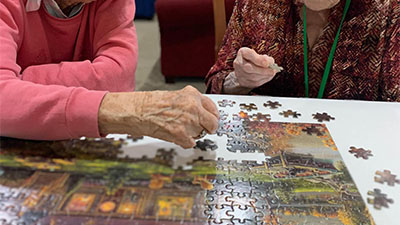
Families typically utilize respite as a stress valve and discover a deeper reality. Perhaps your mother flourishes in assisted living due to the fact that meals look like clockwork and she discovers a buddy for puzzles. Possibly your father's agitation decreases in memory care because the space makes good sense to his brain. Or possibly the opposite takes place, and you learn he does finest at home with mild structure and one familiar companion.
Pay attention to what the experience teaches. If brief remain in assisted living feel simple and everybody sleeps much better, that may be an indication to check out a longer transition. If the environment overwhelmed your loved one, double down on at home assistance and carefully picked adult day hours. Respite is not just rest. It is data.
Common pitfalls and how to sidestep them
Two mistakes recur. The first is waiting too long, till the caretaker is diminished and the senior has decreased. At that point, even a great respite plan can feel unstable. The 2nd is setting unclear expectations. Companies can not check out minds. Define the must-haves and the nice-to-haves, and ask the service provider to restate them back to you, specifically around medication timing, movement, and toileting.
Another pitfall is neglecting the social fit. In adult day programs, groups differ. Some lean vibrant, with music and robust conversation. Others are quieter. A mismatch can make a capable senior feel out of place. Visit during program hours if possible and look for real engagement, not performative chatter.
Choosing a service provider with eyes wide open
A short, focused checklist can keep the procedure grounded when feelings run high.
- Verify licensing or accreditation suitable to the service and state. Ask about personnel training specifics, turnover, and supervision. Clarify services included in the rate and any add-on fees. Observe care during peak times, such as morning routines or mealtimes. Request and call references, preferably households who utilized respite, not just long-lasting care.
The role of assisted living and memory care in a broader plan
Respite slots in alongside other assistances. Some families utilize a rhythm of adult day three days a week, in-home help on Thursdays, and planned assisted living respite for 2 weeks every quarter. That pattern can maintain a caretaker's profession and health while keeping the senior's community ties. Others lean on a single method due to the fact that of cost or preference. There is no universal formula.
Assisted living and memory care communities frequently deal with respite stays as introductions. The staff learns the individual's practices, and the family sees the culture up close. If a long-term relocation ends up being necessary, those earlier stays cushion the shift. It is worth asking a neighborhood whether respite citizens can keep the exact same house if they decide to stay long term and how rates shifts from daily to regular monthly rates.
Legal and ethical considerations
Respite does not change who makes decisions. If you hold a long lasting power of lawyer or serve as health care proxy, keep those documents available. Communities will request copies. Clarify code status with the provider. Do not presume they understand your preferences for emergency situation transfers or hospitalizations. Ethical care appreciates the individual's worths, not just the family's convenience.
Be truthful about risks. If your father sometimes declines medications or your mother sometimes hits out during personal care, say so. Companies can not handle what they do not expect. Omission can backfire and cause hurried discharges or strained relationships.
A note on culture, language, and trust
Care makes love, and culture shapes convenience. In-home firms and neighborhoods that speak your loved one's mother tongue or comprehend particular religious practices memory care can change the experience. Food matters. Prayer times matter. Modesty standards matter. When a staff member knows how to cover a headscarf or what spices make soup odor like home, resistance softens. Ask explicitly about these details. It is not nitpicking. It is respect.
Measuring success
You will understand respite worked if 3 things happen. The senior returns as steady or much better than they left, without any preventable injuries or missed medications. The caretaker feels lighter, even if just a bit, and notifications the return of patience. The service provider is willing to repeat on the strategy, adjusting to feedback without defensiveness. Those are the markers that develop trust and make the next round simpler to schedule.
Success is not excellence. It shifts with context. In some seasons, simply preventing a fall or a urinary tract infection is a win. At other times, success means your loved one gets home smiling about a chair yoga class or a new pal at lunch. Let those small signs carry weight. They suggest a human experience, not just a service transaction.
Final thoughts for households starting out
Respite care is both humble and effective. It is modest since it handles common acts, like brushing teeth and making tea. It is powerful due to the fact that those acts, done regularly and kindly, hold a life together. If you are tentative, start small. Schedule one afternoon at an adult day program, or schedule a four-hour at home visit. Gain from it, change, and construct the plan that fits your distinct mix of strengths and limits.
Well-chosen respite does not signify completion of family caregiving. It often extends it by avoiding burnout. It can likewise offer a sensible take a look at future options, from increased at home assistance to a measured shift into assisted living or memory care. The through line is dignity for the senior and sustainability for the caregiver. When both exist, the whole home feels it.
BeeHive Homes of Santa Fe NM provides assisted living care
BeeHive Homes of Santa Fe NM provides memory care services
BeeHive Homes of Santa Fe NM provides respite care services
BeeHive Homes of Santa Fe NM supports assistance with bathing and grooming
BeeHive Homes of Santa Fe NM offers private bedrooms with private bathrooms
BeeHive Homes of Santa Fe NM provides medication monitoring and documentation
BeeHive Homes of Santa Fe NM serves dietitian-approved meals
BeeHive Homes of Santa Fe NM provides housekeeping services
BeeHive Homes of Santa Fe NM provides laundry services
BeeHive Homes of Santa Fe NM offers community dining and social engagement activities
BeeHive Homes of Santa Fe NM features life enrichment activities
BeeHive Homes of Santa Fe NM supports personal care assistance during meals and daily routines
BeeHive Homes of Santa Fe NM promotes frequent physical and mental exercise opportunities
BeeHive Homes of Santa Fe NM provides a home-like residential environment
BeeHive Homes of Santa Fe NM creates customized care plans as residents’ needs change
BeeHive Homes of Santa Fe NM assesses individual resident care needs
BeeHive Homes of Santa Fe NM accepts private pay and long-term care insurance
BeeHive Homes of Santa Fe NM assists qualified veterans with Aid and Attendance benefits
BeeHive Homes of Santa Fe NM encourages meaningful resident-to-staff relationships
BeeHive Homes of Santa Fe NM delivers compassionate, attentive senior care focused on dignity and comfort
BeeHive Homes of Santa Fe NM has a phone number of (505) 591-7021
BeeHive Homes of Santa Fe NM has an address of 3838 Thomas Rd, Santa Fe, NM 87507
BeeHive Homes of Santa Fe NM has a website https://beehivehomes.com/locations/santa-fe/
BeeHive Homes of Santa Fe NM has Google Maps listing https://maps.app.goo.gl/fzApm6ojmRryQMu76
BeeHive Homes of Santa Fe NM has Facebook page https://www.facebook.com/BeeHiveSantaFe
BeeHive Homes of Santa Fe NM has a YouTube channel at https://www.youtube.com/@WelcomeHomeBeeHiveHomes
BeeHive Homes of Santa Fe NM won Top Assisted Living Homes 2025
BeeHive Homes of Santa Fe NM earned Best Customer Service Award 2024
BeeHive Homes of Santa Fe NM placed 1st for Senior Living Communities 2025
People Also Ask about BeeHive Homes of Santa Fe NM
What is BeeHive Homes of Santa Fe NM Living monthly room rate?
The rate depends on the level of care that is needed. We do a pre-admission evaluation for each resident to determine the level of care needed. The monthly rate is based on this evaluation. There are no hidden costs or fees
Can residents stay in BeeHive Homes of Santa Fe NM until the end of their life?
Usually yes. There are exceptions, such as when there are safety issues with the resident, or they need 24 hour skilled nursing services
Does BeeHive Homes of Santa Fe NM have a nurse on staff?
No, but each BeeHive Home has a consulting Nurse available 24 – 7. if nursing services are needed, a doctor can order home health to come into the home
What are BeeHive Homes of Santa Fe NM visiting hours?
Visiting hours are adjusted to accommodate the families and the resident’s needs… just not too early or too late
Do we have couple’s rooms available?
Yes, each home has rooms designed to accommodate couples. Please ask about the availability of these rooms
Where is BeeHive Homes of Santa Fe NM located?
BeeHive Homes of Santa Fe NM is conveniently located at 3838 Thomas Rd, Santa Fe, NM 87507. You can easily find directions on Google Maps or call at (505) 591-7021 Monday through Sunday 9:00am to 5:00pm
How can I contact BeeHive Homes of Santa Fe NM?
You can contact BeeHive Homes of Santa Fe NM by phone at: (505) 591-7021, visit their website at https://beehivehomes.com/locations/santa-fe, or connect on social media via Facebook or YouTube
Ragle Park offers a quiet setting for assisted living and memory care residents to relax as part of senior care and respite care visits.